
Notes
From uncovering the most photogenic landmarks to mapping out the best tile-spotting routes across Portugal, exploring traditional azulejo techniques and exploring iconic design eras, these are our personal notes about the timeless artistry and rich history of portuguese azulejos in all its forms.
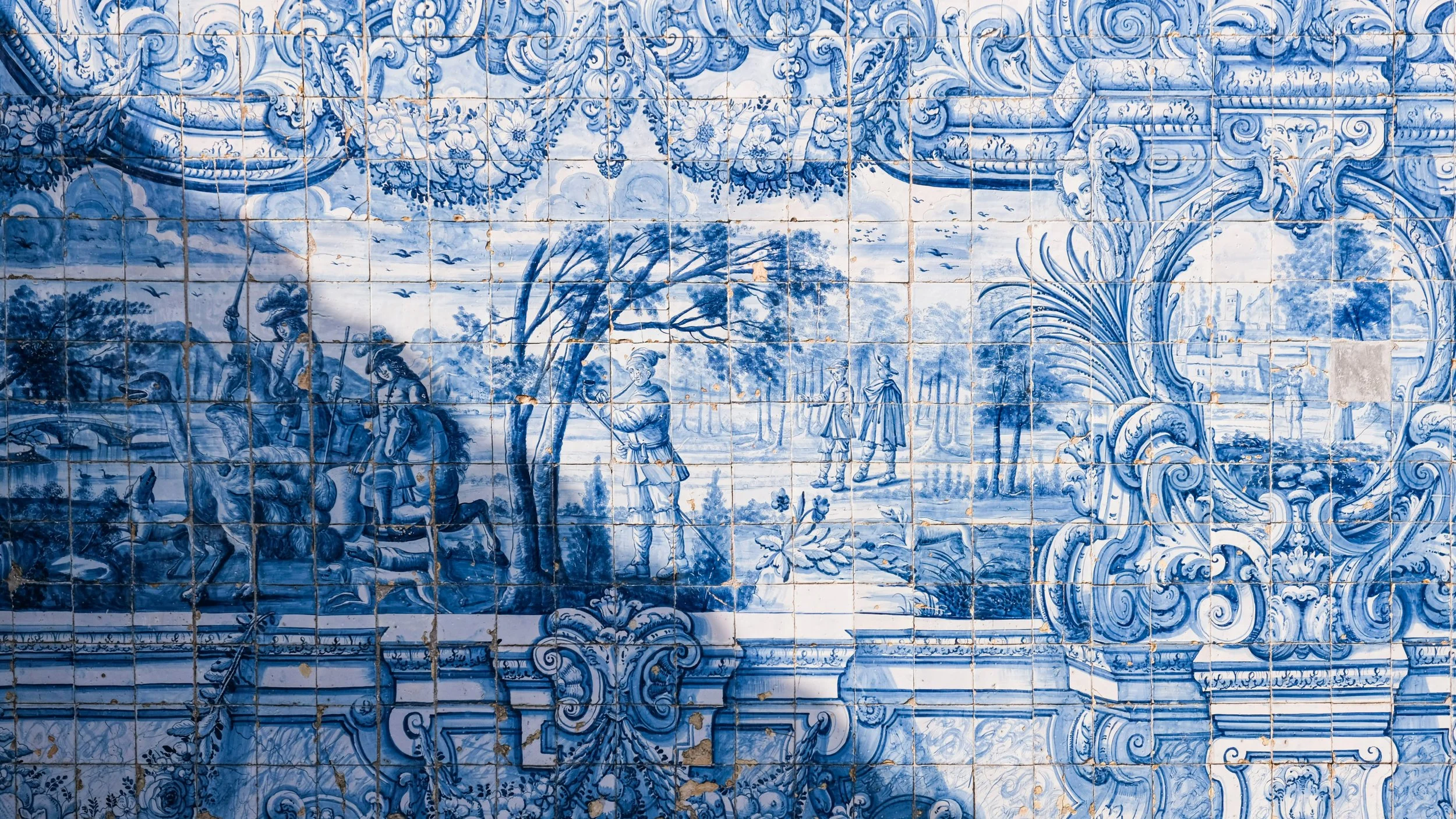
A Journey Through Time: 18th Century Portuguese Azulejos
Welcome to the 18th century, the era of the Triumph of the Baroque. If you’ve been dreaming of those iconic blue and white tiles that define the Portuguese aesthetic, this is the century where that legend was born. For the modern traveler, visiting a portuguese church or palace covered in 18th-century tiles is like walking into a massive, ceramic history book.
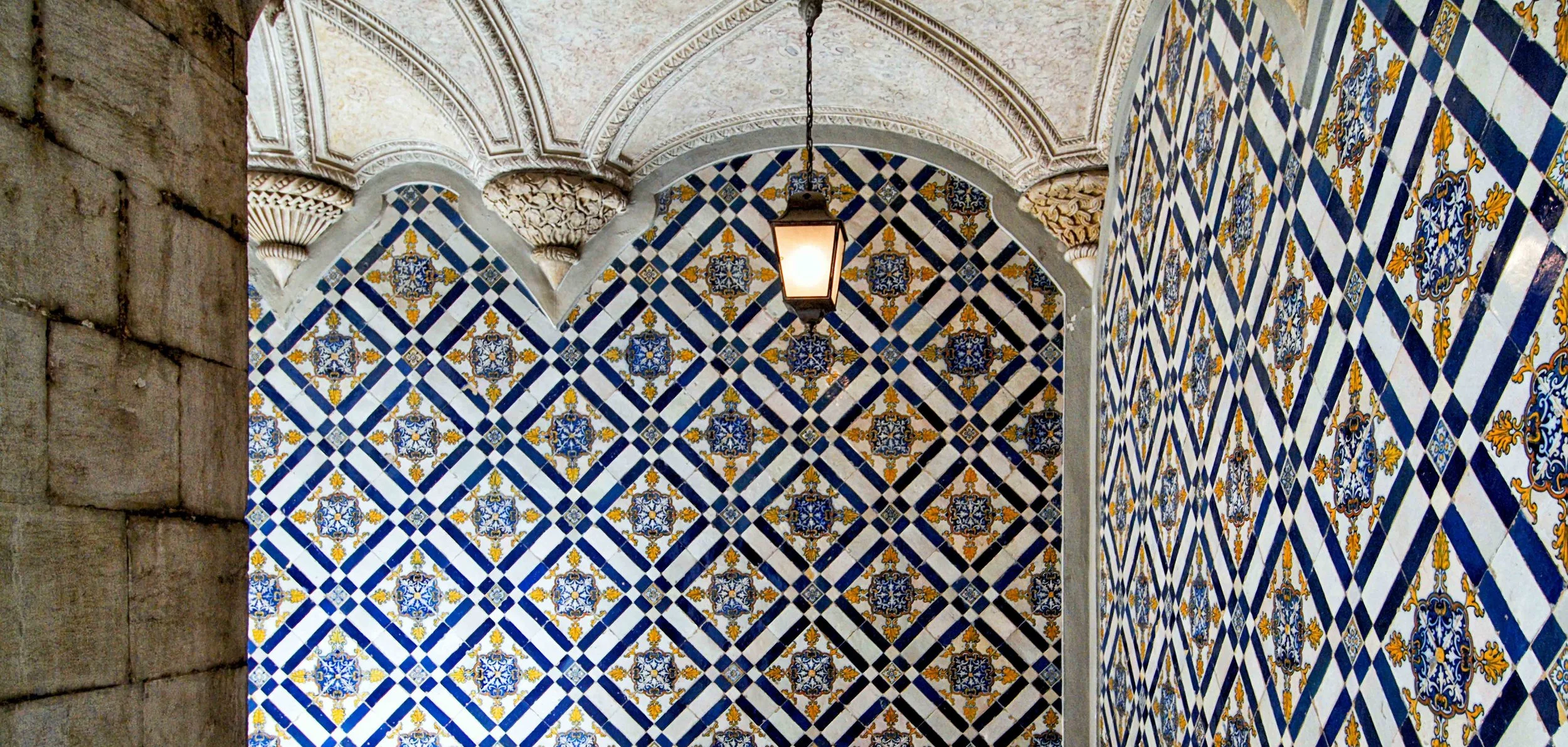
A Journey Through Time: 17th Century Portuguese Azulejos
If the 1500s were about discovery, the 1600s were about status, storytelling, and exuberant decoration. For the culturally curious traveler, understanding this era is key to recognizing the masterpieces you'll see at the National Tile Museum or the grand palaces of Sintra and Azeitão, just to name a couple of them.
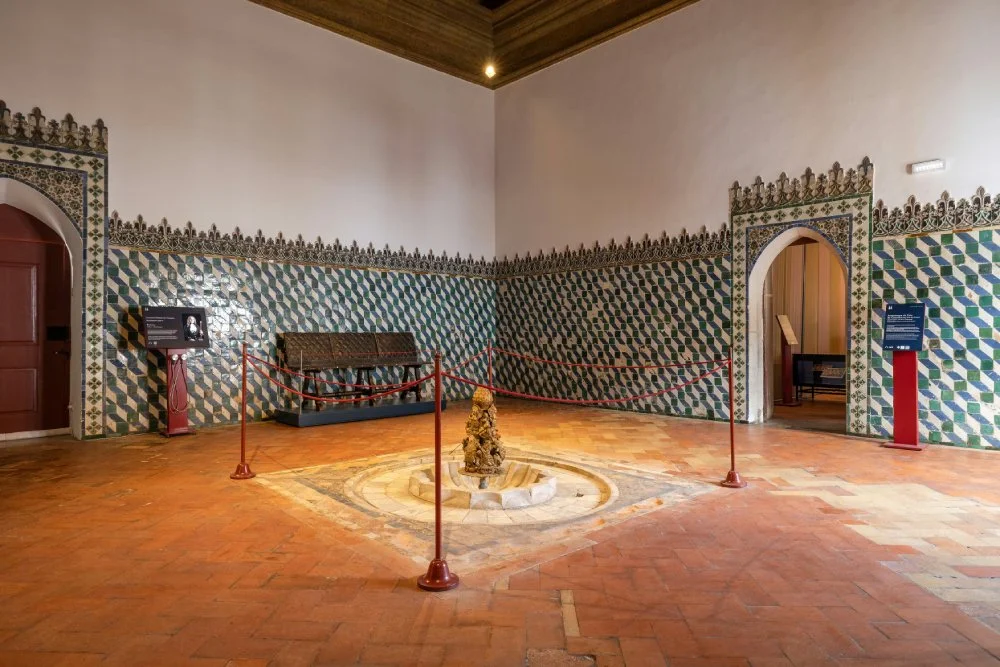
A Journey Through Time: 16th Century Portuguese Azulejos
If you walk through the streets of Lisbon or Porto (or many other cities!) today, you are surrounded by a sea of ceramic art. From metro stations to church facades, the Portuguese Azulejo is the icon of the country. But to truly understand this craft, we must travel back to the 16th Century—the Golden Age of Discovery.
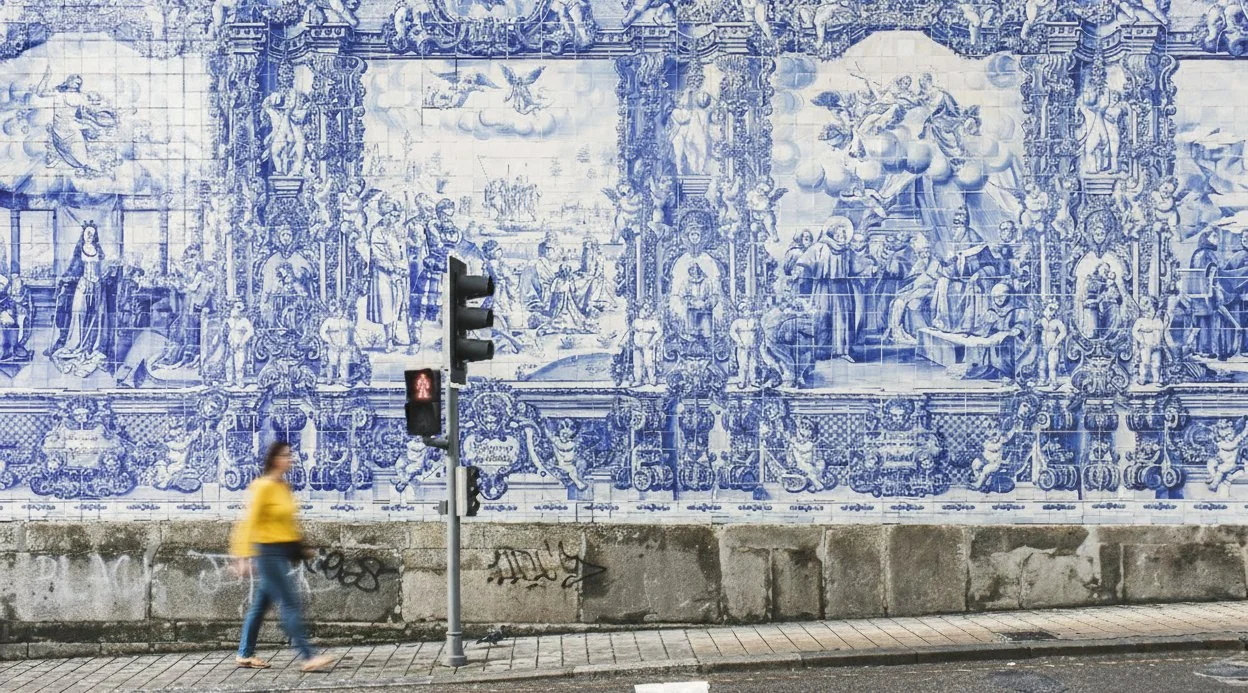
Why Portuguese Tiles Are a Masterpiece of Science and Style
For the culturally curious traveler, the Portuguese azulejo is more than a decorative element—it is a sophisticated engineering marvel that has evolved over centuries. While these tiles shimmer on the facades of cities like Lisbon and Porto, the science behind them involves a delicate balance of mineralogy, thermal dynamics, and chemical reactions.