
A Journey Through Time: 18th Century Portuguese Azulejos
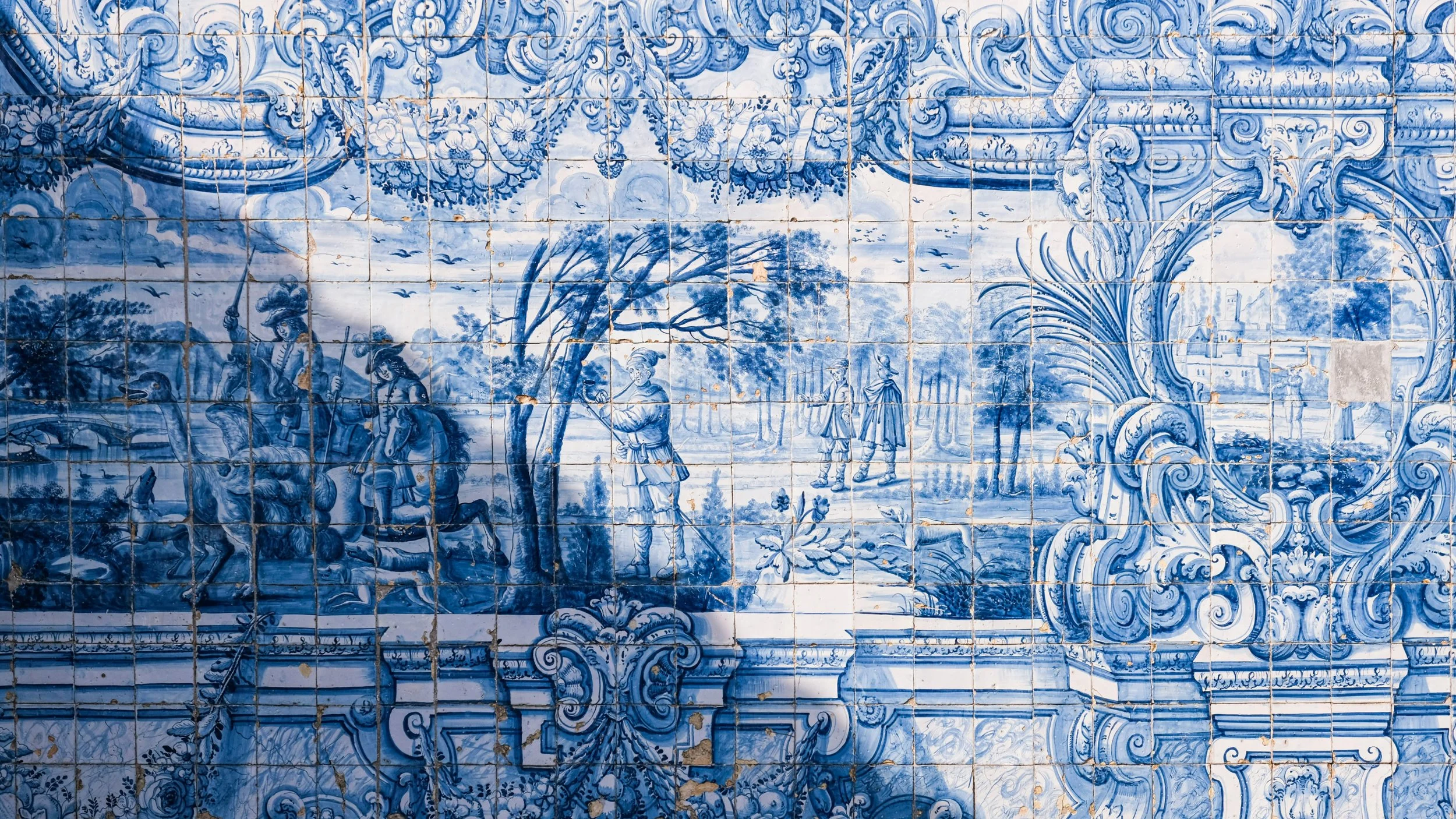
Welcome to the 18th century, the era of the triumph of the baroque. If you’ve been dreaming of those iconic blue and white tiles that define the portuguese aesthetic, this is the century where that legend was born. For the modern traveler, visiting a portuguese church or palace covered in 18th-century tiles is like walking into a massive, ceramic history book.
The golden age of the blue and white tiles
Why these colors? To start with, the 1700s were dominated by the influence of Chinese porcelain. In Portugal, artisans began to replicate this elegant look, painting deep cobalt blue patterns onto a stark white background. Also, during this time, Portugal also began importing Dutch tiles from Holland, which had their own distinct style. However, the Portuguese masters soon developed a unique "national" flavor that was more dramatic and grand than anything seen elsewhere in Europe.
It wasn’t just art; it was a power move. By choosing cobalt blue—a pigment known for its staggering price tag—and using it everywhere, the message was unmistakable. Without uttering a word, these tiles told the world that Portugal was a land of true abundance and luxury.
Tiles as storytellers
In this century, the repetitive geometric patterns of the past were abandoned. Instead, tiles became narrative panels. They were designed to be read like a play or a modern-day graphic novel.
When you explore the historic centers of Lisbon, Porto, or Évora, you will find common 18th-century themes: Religious epic scenes from the life of Christ, the Virgin Mary, and the Saints. Also mythology and history scenes, as bloody battles from Ancient Greece and Rome or tales of great heroes. And also you’ll find "profane" scenes of everyday aristocratic joy, as couples dancing, hunting trips, picnics in the countryside, and groups of friends at a ball.
Meet the "Figuras de Convite" (Invitation Figures)
Perhaps the most charming and original invention of the 18th-century Portuguese tile tradition is the Figura de Convite.
Imagine walking into a palace and being "greeted" by a ceramic gentleman or lady! These were placed at the entrances, stairways, or landings of grand houses. Usually representing noblemen or servants dressed in elaborate finery, they were designed to "welcome" guests and show off the wealth and hospitality of the homeowner. Keep an eye out for these silent, painted hosts during your tours!
*
Sources: Azulejos - Uma História Aos Quadradinhos - António Araújo, Filipe Abranches (Coleção:Museu Casa da Moeda)
